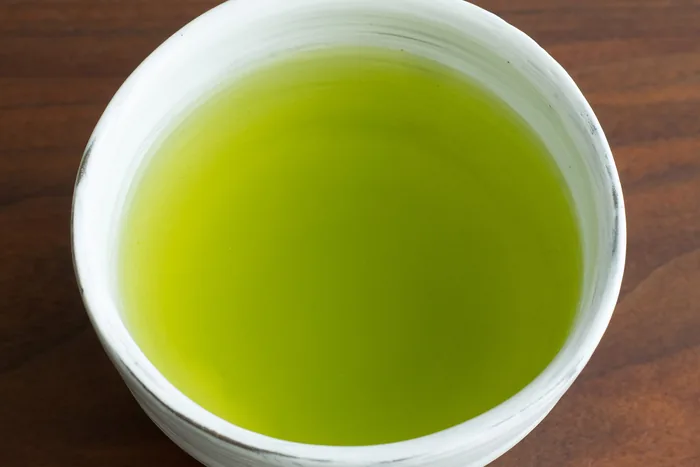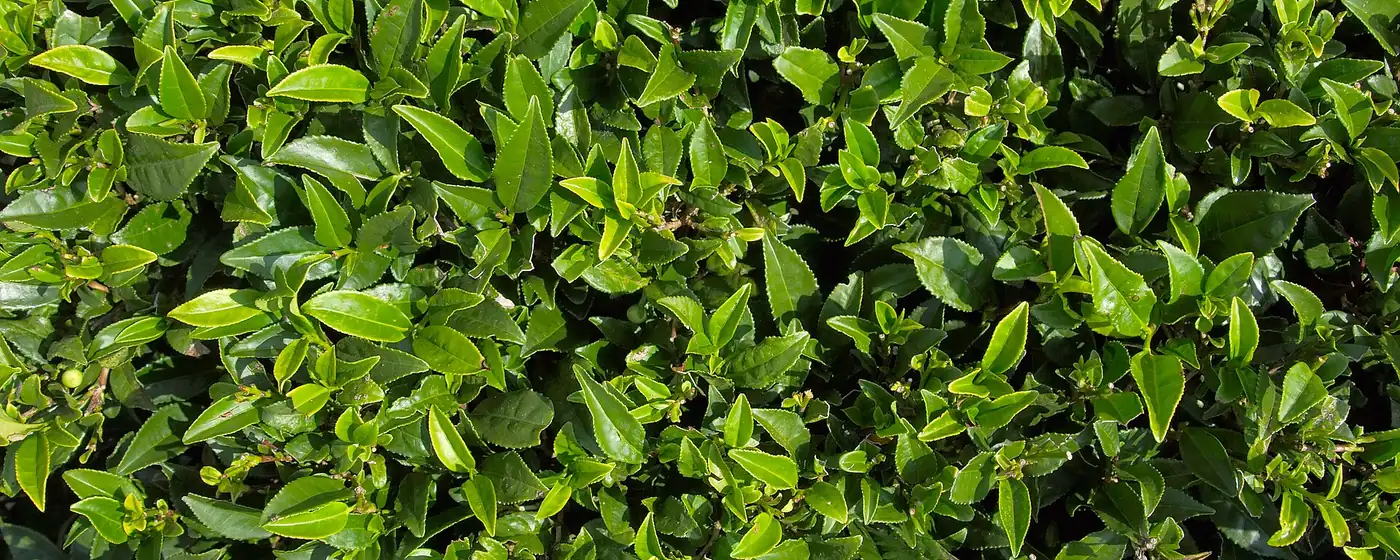
Darjeeling is a black tea grown on steep, misty slopes in the Darjeeling district of West Bengal, in the Indian Himalayan foothills. It comes from Camellia sinensis, the same plant behind green, white, and oolong tea; the difference is what happens to the leaf after picking. Darjeeling is oxidized less thoroughly than most black teas, which is why the cup runs pale amber rather than the deep brown of an Assam.
Flavor depends on when the leaf was plucked. First flush, from early spring, is brisk, floral, and almost green-tasting. Second flush, from early summer, carries the muscatel note Darjeeling is known for: grape skin, honey, a hint of stone fruit. Autumnal pickings land in between, rounder and coppery. The flavors are delicate enough that Darjeeling is usually drunk plain, without milk, alongside light pastries, fruit desserts, or the rest of the afternoon-tea repertoire. It gets called the "Champagne of teas," which says more about marketing than about chemistry.
So what does it actually do? It is a caffeinated drink rich in polyphenols, and that is most of the story. We could not find a single clinical trial testing Darjeeling by name. What exists is research on black tea in general, and it points to small, unspectacular effects: blood pressure a point or two lower, blood-vessel function measurably better on a surrogate test, a modest association with lower death rates in one very large cohort. None of that makes tea a medicine. The one effect large enough to plan your day around is not a benefit at all. Tea sharply cuts how much iron you absorb from plant foods and iron tablets. And one habit genuinely worth changing has nothing to do with the leaf: drinking it scalding hot.
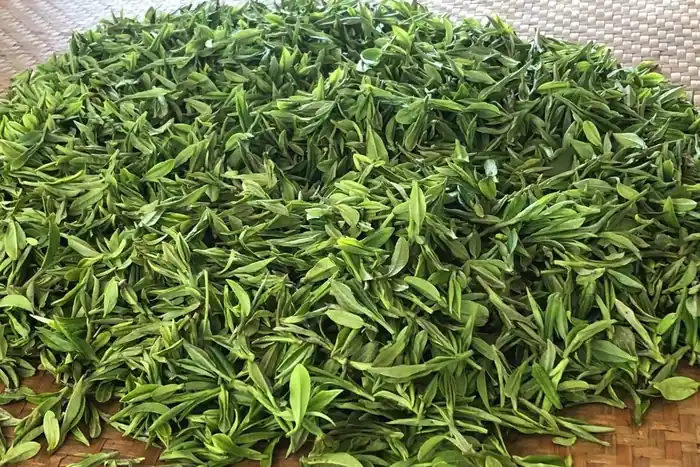
Photo: Darjeeling, India, Darjeeling tea leaves.jpg by Vyacheslav Argenberg — CC BY 4.0. Cropped and re-encoded.
What the evidence says
A cup of Darjeeling can make you feel more alert and help you hold attention on a demanding task.
An 8-ounce cup gives roughly 30 to 60 mg of caffeine (measured black teas hold 22 to 28 mg per gram of dry leaf) plus L-theanine, an amino acid found in few other foods. Two double-blind crossover studies found black tea improved task-switching accuracy and self-reported alertness against a placebo brew matched for color and taste. Trials pairing the two compounds directly (40 mg caffeine with 97 mg L-theanine in 44 adults) found similar gains in attention and less tiredness. Two of these trials were run by researchers employed by a tea manufacturer, which is worth knowing. These are same-day effects in small samples, not evidence of lasting cognitive benefit.
Drinking black tea regularly may lower blood pressure by a small amount.
A dose-response meta-analysis of 13 randomized trials found black tea reduced systolic pressure by about 1.0 mmHg and diastolic by 0.6 mmHg versus control. A separate meta-analysis of 10 trials in 834 adults with prehypertension or hypertension, which pooled green and black tea together rather than testing black tea alone, found larger drops of roughly 2.4 and 1.8 mmHg, and a crossover trial in 19 healthy men saw about 2.6/2.2 mmHg. The direction is consistent but the size is small: a fraction of what a blood pressure medication does, and no substitute for one.
Black tea may improve how well arteries relax and widen.
Flow-mediated dilation measures how much an artery widens when blood flow rises; poor dilation tracks with cardiovascular risk. In a randomized crossover trial, 66 patients with coronary artery disease were assigned to black tea or water, and among the 50 with usable ultrasound measurements dilation improved both two hours after 450 mL of tea and after four weeks of about 900 mL daily. A matched 200 mg dose of plain caffeine produced no short-term change, which the investigators read as pointing to the flavonoids rather than the caffeine. A dose-response crossover in 19 healthy men agreed. Flow-mediated dilation is a surrogate marker: no trial shows that improving it with tea prevents heart attacks.
Black tea may modestly lower LDL cholesterol, but the human evidence is thin.
In a controlled feeding study, 15 mildly hypercholesterolemic adults drank five servings of black tea daily for three weeks; LDL fell about 11% versus a caffeine-matched placebo beverage. That is one small crossover on a strictly controlled diet. A meta-analysis of tea and metabolic syndrome found LDL reductions mainly for green tea, not black, and although an expert panel judged the evidence moderate for 400 to 600 mg per day of flavan-3-ols improving cholesterol, black tea's oxidation converts many of its flavan-3-ols into larger theaflavins and thearubigins.
People who drink two or more cups of black tea a day have somewhat lower death rates in a large observational study.
In the UK Biobank, 498,043 adults aged 40 to 69 were followed for a median of 11.2 years. Compared with non-drinkers, those drinking 2 to 3 cups daily had a hazard ratio for death from any cause of 0.87 (95% CI 0.84 to 0.91), and the association held up to 10 or more cups, with lower cardiovascular, ischemic heart disease, and stroke mortality. Black tea was the dominant type consumed in that cohort. This is a single observational study, not a trial: tea drinkers differ from non-drinkers in ways no statistical model fully captures, people already ill may drink less tea, and cup size and brew strength went unmeasured. It cannot tell you that drinking tea will make you live longer.
Sources: [12]
Tea substantially reduces how much iron the body absorbs from plant foods, fortified foods, and iron tablets.
This is a well-replicated effect of tea in humans, and it is not a benefit. In a controlled human study using radiolabeled iron, black tea taken with a bread meal cut non-heme iron absorption by 79% to 94%, a stronger effect than cocoa or most herbal infusions, and adding milk made little difference. A stable-isotope study of 46 Moroccan women, which used traditional green tea rather than black, found that 300 mL of tea with an iron-fortified wheat meal cut absorption by more than 85%, in women with iron-deficiency anemia as well as in those without, even though anemia normally ramps absorption up. Tea polyphenols bind iron in the gut. Heme iron from meat and fish is largely unaffected, and a case report describes a woman whose anemia stopped responding to oral iron until she cut back on heavy tea drinking.
Drinking tea while it is very hot is associated with a higher risk of esophageal cancer. This is about temperature, not about tea.
In the Golestan Cohort Study, 50,045 adults in northeastern Iran were followed for a median of 10.1 years, with tea drinking temperature measured directly rather than only self-reported. Drinking tea at 60°C or hotter carried a hazard ratio for esophageal squamous cell carcinoma of 1.41 (95% CI 1.10 to 1.81) compared with below 60°C, and drinking 700 mL or more a day at that temperature was associated with roughly a 90% higher risk. In 2016 an International Agency for Research on Cancer working group classified drinking very hot beverages, above about 65°C (149°F), as probably carcinogenic to humans (Group 2A). The evidence is observational, the absolute risk in most Western populations is low, and nothing implicates tea itself rather than the heat. Letting the cup cool for a few minutes removes the issue.
Darjeeling itself has not been studied for health effects; anything claimed for it borrows from research on black tea generally.
The literature holds work on Darjeeling's chemistry, agronomy, and geographic authentication, but we found no clinical trial testing Darjeeling on human health outcomes. Its lighter oxidation likely puts its polyphenol profile somewhere between a green tea and a fully oxidized black tea, which could plausibly matter; nobody has measured whether it does. Claims that Darjeeling is more antioxidant-rich or more heart-protective than other teas are not supported by evidence.
No published human clinical trials found for this use.
How to brew Darjeeling
Boil the water, then let it stand off the heat for about a minute to settle near 195°F. Pour it over the leaf, steep 3 to 4 minutes, then strain the leaf out completely; left in, it turns the cup bitter. Darjeeling's leaf is large and needs room to unfurl, so use an open basket or a roomy pot rather than a tight ball infuser. Brew it hot, but let it cool before you drink it.
- First flush is fragile: 2.5 to 3 minutes, water nearer 185°F. Second flush handles a full 4 minutes and a hotter pour.
- Give the poured cup a few minutes. Habitually drinking any beverage scalding hot is linked to esophageal cancer, and cooler tea tastes better anyway.
- Skip the milk. Dairy flattens the floral and muscatel notes.
- Boiling water scorches the leaf. No thermometer? Boil, uncover, wait 60 to 90 seconds.
- Good Darjeeling gives a second infusion; add 30 to 60 seconds to the steep.
- Watching your iron? Drink tea between meals, not with them.
Safety, side effects & who should avoid it
For most healthy adults, three or four cups of Darjeeling a day is generally considered safe and unremarkable. Three things are worth planning around: its caffeine, its effect on iron absorption, and the temperature you actually drink it at.
Who should avoid it
- Anyone with iron-deficiency anemia, low ferritin, or taking iron supplements should avoid tea with meals or near an iron tablet; separate them by 1 to 2 hours.
- Anyone a clinician has told to limit caffeine: uncontrolled high blood pressure, certain heart-rhythm disorders, panic or severe anxiety disorders, chronic insomnia.
- People about to have a pharmacologic cardiac stress test (adenosine, regadenoson, dipyridamole). Caffeine blocks these drugs; most centers require 12 to 24 caffeine-free hours. Follow your clinic's instructions.
- Young children, who should not be given caffeine and whose iron needs are high.
- People taking clozapine, theophylline, or other CYP1A2-cleared drugs should not change their caffeine intake sharply without asking their prescriber.
Possible side effects
- Caffeine effects at higher intakes: jitteriness, fast heartbeat, anxiety, tremor, restlessness, trouble falling asleep.
- Caffeine withdrawal after stopping daily use: headache, drowsiness, irritability, nausea, usually passing within a few days.
- Nausea or stomach discomfort from strong tea on an empty stomach; the tannins are the usual culprit.
- Heartburn or reflux may worsen in people already prone to it, and long-term daily drinking stains teeth.
- Habitually drinking tea very hot, above roughly 60 to 65°C (140 to 149°F), is associated with esophageal squamous cell carcinoma in observational studies, and international cancer authorities classify very hot beverages as probably carcinogenic. Let the cup cool a few minutes before the first sip.
- Very rarely, extreme long-term intake has caused skeletal fluorosis from tea's naturally occurring fluoride. Published cases involve people drinking on the order of one to two gallons of very strong brewed or instant tea daily for decades. This is not a risk at ordinary intakes.
- Brewed tea is not linked to liver injury. Concentrated green tea extract capsules are a different product, delivering far higher catechin doses, and have been associated with liver damage in a small number of users. That caution applies to supplements, not to your teapot.
Medication interactions
- Iron supplements (ferrous sulfate, gluconate, fumarate) and iron-fortified foods: absorption drops sharply. Take iron 1 to 2 hours away from tea.
- Adenosine, regadenoson, and dipyridamole used in cardiac stress testing: caffeine antagonizes them and can produce a false result.
- Clozapine: caffeine competes for the CYP1A2 enzyme that clears it, and case reports link heavy caffeine intake to raised clozapine levels and toxicity. Olanzapine and theophylline use the same enzyme.
- Theophylline: chemically related to caffeine, with additive stimulant side effects.
- Fluvoxamine, ciprofloxacin, and related quinolone antibiotics slow caffeine breakdown, so the same cup hits harder and lasts longer.
- Stimulants (pseudoephedrine, prescription ADHD medications, ephedra-containing products) add to caffeine's effects on heart rate and blood pressure.
- MAO inhibitors such as phenelzine and tranylcypromine: large caffeine intakes may raise blood pressure. With lithium, caffeine speeds clearance, so quitting tea abruptly can push levels up.
- Nadolol: NCCIH reports that high-dose green tea lowers blood levels, and therefore the effectiveness, of this beta-blocker. Black tea is untested, but spacing them apart is reasonable. With warfarin, tell whoever monitors your INR about large changes in tea intake.
Pregnancy & breastfeeding
Tea itself is not the concern; caffeine and iron are. MedlinePlus states that up to 400 mg of caffeine a day is not harmful for most people, but neither MedlinePlus nor NCCIH publishes a specific pregnancy number. Both simply advise pregnant and breastfeeding people to check with their provider, since caffeine crosses the placenta and passes into breast milk. Commonly used US obstetric guidance puts the ceiling in pregnancy at about 200 mg of caffeine a day, which is roughly three to four cups of black tea, and fewer if you also drink coffee. Tea also blunts iron absorption at a time when iron needs are high, so keep it away from meals and prenatal iron. Low-to-moderate caffeine is generally tolerated while breastfeeding, though higher intakes can leave babies fussy and wakeful. Darjeeling has not been studied in either group, so talk to your doctor or midwife rather than relying on a page like this one.
How much is too much
No established limit for the tea itself. Trials showing blood pressure and cholesterol effects used about 3 to 5 servings a day for 3 to 12 weeks, and in the UK Biobank cohort even 10 or more cups a day carried no excess mortality. The practical ceiling is caffeine: MedlinePlus states that up to about 400 mg a day is not harmful for most people, which at 30 to 60 mg a cup works out to roughly 7 to 13 cups. Common obstetric guidance is about 200 mg a day in pregnancy. Whatever the number of cups, drink them below scalding.
Taste & pairing
Tasting notes: Muscatel, Floral, Fruity, Light.
Pairs well with: Light pastries, Fruit desserts, Afternoon tea foods.
Best time to drink: Morning or early afternoon.
Frequently asked questions
How long should I steep Darjeeling tea?
Three to four minutes at about 195°F for a second-flush or autumnal Darjeeling. First flush is more delicate: 2.5 to 3 minutes at around 185°F. Past four minutes the tannins take over and the cup turns astringent, and no amount of sugar fixes that. Strain the leaf out rather than letting it sit, then give the cup a few minutes to cool.
Does Darjeeling have less caffeine than coffee?
Considerably less. An 8-ounce cup of black tea holds roughly 30 to 60 mg of caffeine; the same amount of drip coffee has around 95 mg. Measured black teas contain 22 to 28 mg of caffeine per gram of dry leaf, so your actual dose depends on how much leaf you use and how long you steep it.
How many cups of Darjeeling a day is too much?
For a healthy, non-pregnant adult, caffeine is the limiting factor, and MedlinePlus treats about 400 mg a day (roughly 7 to 13 cups, depending on strength) as not harmful for most people. In the UK Biobank cohort, people drinking 10 or more cups daily showed no excess mortality. In pregnancy, common obstetric guidance is to keep total caffeine under about 200 mg a day. If tea gives you palpitations or wrecks your sleep, that is your real limit.
Can I drink Darjeeling if I'm anemic or take iron supplements?
You can, but timing matters more than most people realize. In controlled human studies, black tea drunk with a meal cut non-heme iron absorption by 79% to 94%, and a stable-isotope study using green tea found more than 85% inhibition in anemic and non-anemic women alike. Keep tea an hour or two away from meals and iron tablets. Vitamin C at the same meal is generally recommended to offset part of the effect, and heme iron from meat and fish is barely touched. If you are being treated for anemia, raise this with your prescriber.
What is the difference between first flush and second flush Darjeeling?
First flush is picked in early spring, lightly oxidized, pale green-gold in the cup, brisk and floral. Second flush comes in early summer and is oxidized further, giving the amber color and the muscatel note; it is what most people mean by Darjeeling. Whether the two differ nutritionally has not been studied.
References
- Black tea improves attention and self-reported alertness.. Appetite, 2010. PubMed 21172396 · doi:10.1016/j.appet.2010.12.011
- The combination of L-theanine and caffeine improves cognitive performance and increases subjective alertness.. Nutritional neuroscience, 2010. PubMed 21040626 · doi:10.1179/147683010X12611460764840
- The effects of L-theanine, caffeine and their combination on cognition and mood.. Biological psychology, 2007. PubMed 18006208 · doi:10.1016/j.biopsycho.2007.09.008
- Total phenol, catechin, and caffeine contents of teas commonly consumed in the United kingdom.. Journal of agricultural and food chemistry, 2002. PubMed 11804530 · doi:10.1021/jf010153l
- The effect of black tea supplementation on blood pressure: a systematic review and dose-response meta-analysis of randomized controlled trials.. Food & function, 2020. PubMed 33237083 · doi:10.1039/d0fo02122a
- Effect of tea on blood pressure for secondary prevention of cardiovascular disease: a systematic review and meta-analysis of randomized controlled trials.. Nutrition reviews, 2015. PubMed 26024546 · doi:10.1093/nutrit/nuv001
- Black tea consumption dose-dependently improves flow-mediated dilation in healthy males.. Journal of hypertension, 2009. PubMed 19516176 · doi:10.1097/HJH.0b013e328326066c
- Short- and long-term black tea consumption reverses endothelial dysfunction in patients with coronary artery disease.. Circulation, 2001. PubMed 11447078 · doi:10.1161/01.cir.104.2.151
- Black tea consumption reduces total and LDL cholesterol in mildly hypercholesterolemic adults.. The Journal of nutrition, 2003. PubMed 14519829 · doi:10.1093/jn/133.10.3298S
- Effects of tea consumption on metabolic syndrome: A systematic review and meta-analysis of randomized clinical trials.. Phytotherapy research : PTR, 2020. PubMed 32578328 · doi:10.1002/ptr.6731
- Flavan-3-ols and Cardiometabolic Health: First Ever Dietary Bioactive Guideline.. Advances in nutrition (Bethesda, Md.), 2022. PubMed 36190328 · doi:10.1093/advances/nmac105
- Tea Consumption and All-Cause and Cause-Specific Mortality in the UK Biobank : A Prospective Cohort Study.. Annals of internal medicine, 2022. PubMed 36037472 · doi:10.7326/M22-0041
- Inhibition of non-haem iron absorption in man by polyphenolic-containing beverages.. The British journal of nutrition, 1999. PubMed 10999016
- Tea Consumption Reduces Iron Bioavailability from NaFeEDTA in Nonanemic Women and Women with Iron Deficiency Anemia: Stable Iron Isotope Studies in Morocco.. The Journal of nutrition, 2021. PubMed 34038558 · doi:10.1093/jn/nxab159
- Effect of tea and other dietary factors on iron absorption.. Critical reviews in food science and nutrition, 2000. PubMed 11029010 · doi:10.1080/10408690091189194
- Excessive tea consumption can inhibit the efficacy of oral iron treatment in iron-deficiency anemia.. Haematologica, 1995. PubMed 8647516
- A prospective study of tea drinking temperature and risk of esophageal squamous cell carcinoma.. International journal of cancer, 2019. PubMed 30891750 · doi:10.1002/ijc.32220
- Carcinogenicity of drinking coffee, mate, and very hot beverages.. The Lancet. Oncology, 2016. PubMed 27318851 · doi:10.1016/S1470-2045(16)30239-X
- Skeletal fluorosis from brewed tea.. The Journal of clinical endocrinology and metabolism, 2011. PubMed 21593111 · doi:10.1210/jc.2010-2891
- United States Pharmacopeia (USP) comprehensive review of the hepatotoxicity of green tea extracts.. Toxicology reports, 2020. PubMed 32140423 · doi:10.1016/j.toxrep.2020.02.008
Last reviewed and updated . HelperTea is written by an enthusiast, not a clinician, and is not medically reviewed. How we research and rate evidence. Found an error? Tell us — safety corrections get priority.