Let's start with the part most tea pages skip. Tea is not a weight-loss treatment. Body weight is driven by what you eat and how much you move over months and years, plus sleep, medications, hormones, and genetics. No cup of anything overrides that.
The research is modest to the point of disappointing. A Cochrane review of randomized trials in adults with overweight or obesity found green tea preparations produced a small weight change that was not statistically significant and was unlikely to be clinically important. A meta-analysis of green tea catechins found about 1.4 kg of loss only when catechins were compared against caffeine alone, and none when they were given without caffeine. A 2024 review of ten trials found green tea added only a little on top of exercise. Effects here run to a pound or two, if that.
Tea does one thing reliably. An unsweetened cup has essentially no calories, so every sweetened drink you replace with tea removes calories from your day. That has nothing to do with catechins.
If you have obesity, or excess weight with prediabetes, high blood pressure, or sleep apnea, talk to a clinician: programs, medications, and surgery work at a scale tea cannot approach. And losing weight without trying is a symptom to investigate, not a success.
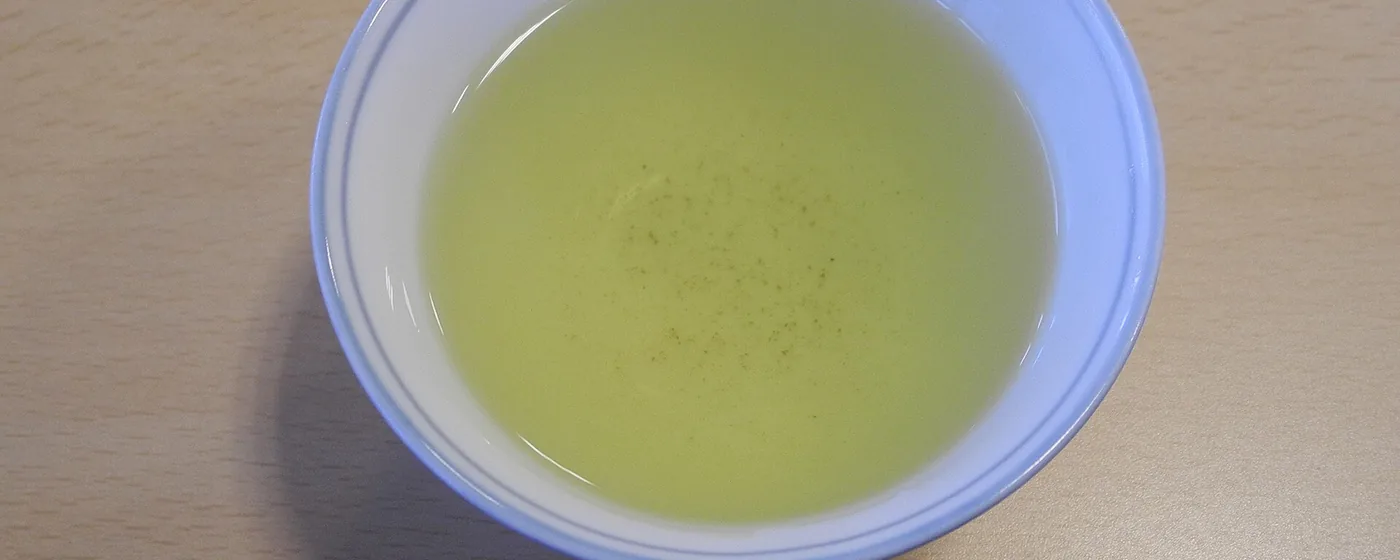
Photo: White cup with green tea in it 2.jpg by Douglas P Perkins — CC BY 3.0. Cropped and re-encoded.
Ranked by evidence
Green Tea
The best-studied option, and the pick if you want tea with a real evidence base behind it.
limited evidence
Green tea supplies caffeine and catechins, mainly EGCG, which appear to nudge fat oxidation upward. In people the payoff is small. A Cochrane review of randomized trials found a small, statistically non-significant weight loss the authors judged unlikely to be clinically important, and no benefit for keeping weight off. A separate meta-analysis found catechins cut body weight by about 1.4 kg versus caffeine alone but did nothing without caffeine.
Oolong Tea
A fine swap if you prefer the taste; no trial has shown it makes anyone lose weight.
limited evidence
Oolong comes from the same plant as green tea and carries similar caffeine and polyphenols. In a randomized crossover trial, 12 men drinking full-strength oolong burned about 2.9 percent more energy over 24 hours than on water, roughly 67 extra calories; caffeinated water alone raised expenditure a similar 3.4 percent. A later crossover trial in 12 men found two weeks of oolong or plain caffeine raised fat oxidation about 20 percent. Neither measured body weight.
Pu-erh Tea
The only tea here with a trial reporting real weight change, though it tested an extract, not a brewed cup.
limited evidence
In a 12-week double-blind, placebo-controlled trial, 36 pre-obese Japanese adults took 333 mg of a water-soluble pu-erh extract before each of three daily meals. Body weight, BMI, waist circumference, and CT-measured visceral fat came out lower than placebo from about week eight. That is one small, unreplicated study of a concentrate, not of the tea you steep at home.
Sources: [8]
Matcha
For people who already drink matcha and exercise; nothing suggests it changes the scale.
limited evidence
Because you drink the powdered leaf, matcha delivers more catechins and caffeine per serving than steeped green tea. In a randomized crossover study, 12 women took 3 g daily for three weeks; during a 30-minute moderate walk they oxidized about 35 percent more fat than on placebo. Energy expenditure was unchanged, and body weight was never measured.
Sources: [9]
Dandelion Root Tea
A caffeine-free evening drink, here because people ask about it, not because it works.
Traditional use
Dandelion is traditionally used as a bitter digestive and a mild diuretic, and it turns up in most "detox" blends. A 17-person pilot study of a dandelion leaf extract found more frequent urination after dosing, the closest thing to evidence that exists. Even at face value, that is water, not fat. No human trial has tested dandelion root tea for weight loss, and NCCIH says no compelling evidence supports it for any health condition.
Sources: [10]
How to choose between them
Caffeine is the biggest practical difference. Green tea, oolong, pu-erh, and matcha all contain it, and matcha usually delivers the most per serving because you consume the leaf itself. If a late cup keeps you awake, drink those before mid-afternoon and save dandelion root, which is caffeine-free, for the evening. Green tea is grassy, oolong floral, pu-erh earthy, matcha creamy and slightly bitter. The one you will actually drink instead of a sweetened beverage beats one you dislike.
On safety, the line that matters is brewed tea versus concentrated extract. Brewed green tea is safe for most healthy adults. Extract capsules are a different product: a U.S. Pharmacopeia systematic review linked liver injury to EGCG intakes of roughly 140 mg to 1,000 mg a day, with wide variation in individual susceptibility, and found that large doses taken while fasting sharply increase how much EGCG reaches the bloodstream. In one randomized trial of a green tea extract, monitors halted the study after five of seven participants developed abnormal liver tests. NCCIH notes green tea can lower blood levels of nadolol and atorvastatin. Dandelion may provoke reactions in people allergic to ragweed, daisies, or chrysanthemums, and NCCIH flags theoretical interactions with diuretics, blood thinners, and diabetes medications. In pregnancy, keep total caffeine moderate, around 200 mg a day. And avoid "detox" or "skinny" teas containing senna: they are stimulant laxatives, and misuse is associated with dehydration, low potassium, cramping, and dependence.
When to see a doctor
See a clinician if you are losing weight without trying, especially 5 percent or more of your body weight over six to twelve months, or if it comes with night sweats, fever, blood in your stool, trouble swallowing, or persistent abdominal pain. Unexplained weight loss can be an early sign of thyroid disease, diabetes, celiac disease, or cancer. Stop the product and seek urgent care for yellowing of the eyes or skin, dark urine, right-sided upper abdominal pain, or unusual fatigue after starting a green tea extract. Dizziness, muscle weakness, or a racing heart while using laxative teas can signal dangerous potassium loss. If you are using teas, laxatives, or diuretics alongside restricting food or purging, please reach out to a clinician or an eating disorder helpline.
Frequently asked questions
Which tea burns belly fat?
None reliably. The one human study reporting reduced visceral fat used a concentrated pu-erh extract taken three times a day for 12 weeks in 36 people, and nobody has repeated it. You cannot direct fat loss to one part of your body.
How many cups of green tea a day would I need?
More than most people drink. Reviews put the intake associated with metabolic effects at three to four cups a day or more, roughly 600 to 900 mg of catechins. Even then, the pooled difference in randomized trials is under a kilogram.
Are "detox" and slimming teas safe?
Most contain senna or another stimulant laxative. What you lose is stool and water weight, and it returns within a day or two. Chronic laxative misuse is linked to dehydration, low potassium, cramping, and dependence. Senna has a short-term role for occasional constipation, none in weight loss.
Should I take green tea extract capsules instead of brewing tea?
Not for weight loss. Capsules concentrate the same EGCG that has been linked to liver injury, and the U.S. Pharmacopeia's review found reported cases across a wide dose range with large differences in individual susceptibility. NCCIH notes liver injury has been reported mainly with extracts in pill form, not the beverage.
Does timing matter, before or after meals?
No trial has shown that timing changes body weight. Choose by side effects: drink caffeinated teas earlier so they do not disturb sleep, and save dandelion for the evening. If you take nadolol or atorvastatin, do not wash the pill down with green tea.
So is drinking tea for weight loss pointless?
Not pointless, just misunderstood. The dependable benefit is substitution: an unsweetened cup has essentially no calories, so every soda you replace with tea is calories you did not consume.
References
- Green tea for weight loss and weight maintenance in overweight or obese adults. Cochrane Database of Systematic Reviews, 2012. PubMed 23235664 · doi:10.1002/14651858.CD008650.pub2
- Effect of green tea catechins with or without caffeine on anthropometric measures: a systematic review and meta-analysis. The American Journal of Clinical Nutrition, 2009. PubMed 19906797 · doi:10.3945/ajcn.2009.28157
- [Effect of green tea or green tea extract consumption on body weight and body composition; systematic review and meta-analysis]. Nutricion Hospitalaria, 2014. PubMed 24558988 · doi:10.3305/nh.2014.29.3.7118
- Does green tea catechin enhance weight-loss effect of exercise training in overweight and obese individuals? a systematic review and meta-analysis of randomized trials. Journal of the International Society of Sports Nutrition, 2024. PubMed 39350601 · doi:10.1080/15502783.2024.2411029
- Mechanisms of body weight reduction and metabolic syndrome alleviation by tea. Molecular Nutrition & Food Research, 2015. PubMed 26577614 · doi:10.1002/mnfr.201500428
- Oolong tea increases metabolic rate and fat oxidation in men. The Journal of Nutrition, 2001. PubMed 11694607 · doi:10.1093/jn/131.11.2848
- Subacute Ingestion of Caffeine and Oolong Tea Increases Fat Oxidation without Affecting Energy Expenditure and Sleep Architecture: A Randomized, Placebo-Controlled, Double-Blinded Cross-Over Trial. Nutrients, 2020. PubMed 33260552 · doi:10.3390/nu12123671
- Improvements of mean body mass index and body weight in preobese and overweight Japanese adults with black Chinese tea (Pu-Erh) water extract. Nutrition Research, 2011. PubMed 21745623 · doi:10.1016/j.nutres.2011.05.004
- Three Weeks Daily Intake of Matcha Green Tea Powder Affects Substrate Oxidation during Moderate-Intensity Exercise in Females. Journal of Dietary Supplements, 2020. PubMed 32875933 · doi:10.1080/19390211.2020.1811443
- The diuretic effect in human subjects of an extract of Taraxacum officinale folium over a single day. Journal of Alternative and Complementary Medicine, 2009. PubMed 19678785 · doi:10.1089/acm.2008.0152
- United States Pharmacopeia (USP) comprehensive review of the hepatotoxicity of green tea extracts. Toxicology Reports, 2020. PubMed 32140423 · doi:10.1016/j.toxrep.2020.02.008
- Polyphenon E, non-futile at neuroprotection in multiple sclerosis but unpredictably hepatotoxic: Phase I single group and phase II randomized placebo-controlled studies. Journal of the Neurological Sciences, 2015. PubMed 26298797 · doi:10.1016/j.jns.2015.08.006
- Laxative-induced diarrhoea: a continuing clinical problem. British Medical Journal, 1974. PubMed 4817188 · doi:10.1136/bmj.1.5907.537
Last reviewed and updated . HelperTea is written by an enthusiast, not a clinician, and is not medically reviewed. How we research and rate evidence. Found an error? Tell us — safety corrections get priority.