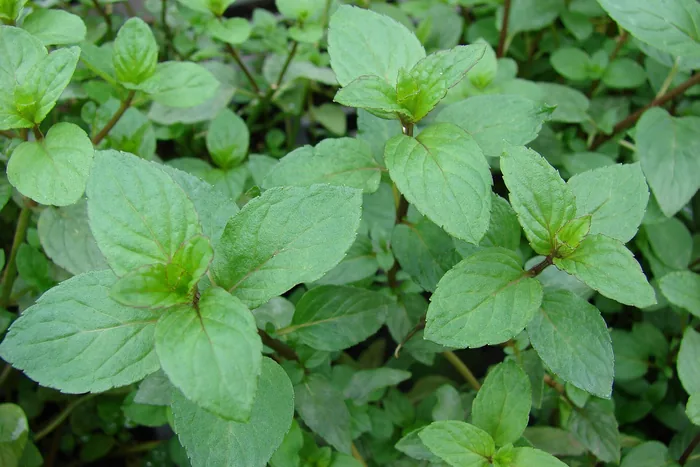
Peppermint Tea
A refreshing herbal tea known for its cooling menthol flavor and ability to soothe digestive issues.
Caffeine-free
Each guide ranks teas by the strength of the human evidence — and tells you when to see a doctor instead.
Teas that promote relaxation and help you get a better night's rest.
Teas that aid digestion and soothe stomach discomfort.
Calming teas that help reduce anxiety and manage stress.
Teas that help reduce bloating and improve digestive comfort.
Teas that settle your stomach and relieve nausea.
Teas that help alleviate menstrual pain and discomfort.
Teas that help soothe coughs and support respiratory health.
Teas that help promote regular bowel movements and digestive health.
Teas that help soothe and comfort a sore throat.
Teas that support immune function and provide relief from cold symptoms.
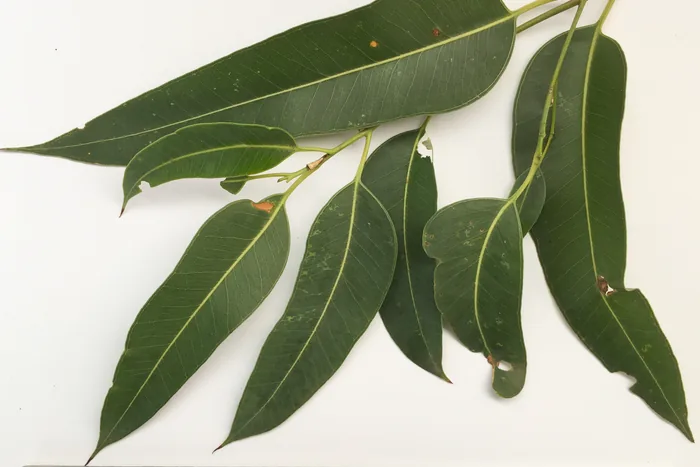
Teas that help clear nasal passages and relieve sinus pressure.
Teas that may support healthy weight management.
Teas with anti-inflammatory properties that help reduce inflammation.
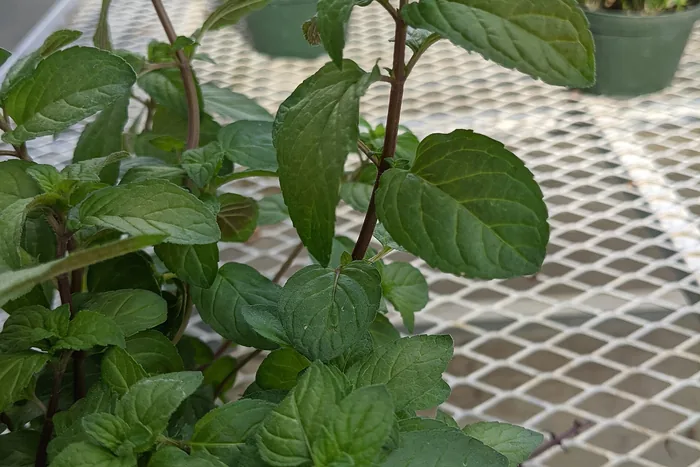
Teas that may help relieve headache pain.
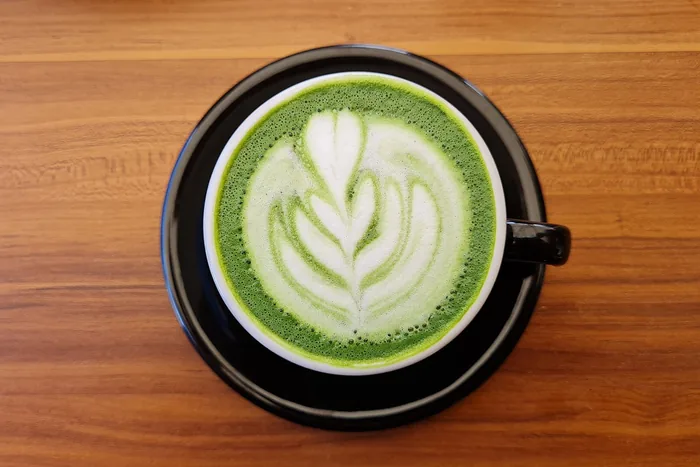
Teas that boost energy levels and enhance mental clarity.
Brewing guides, evidence ratings, and who should avoid each one.
A refreshing herbal tea known for its cooling menthol flavor and ability to soothe digestive issues.
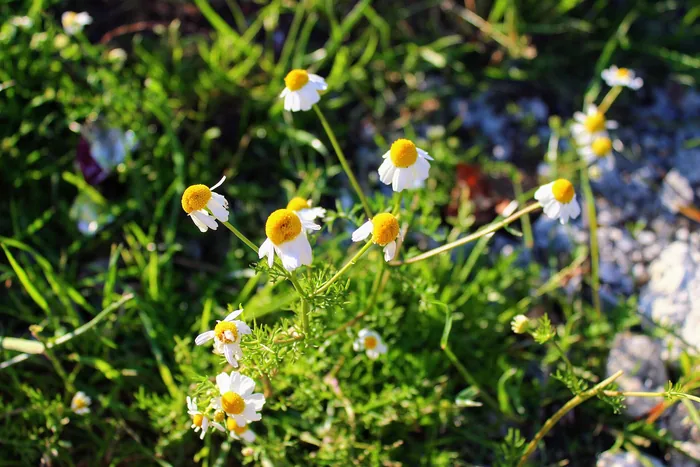
A calming herbal tea with apple-like flavor that promotes relaxation and better sleep.
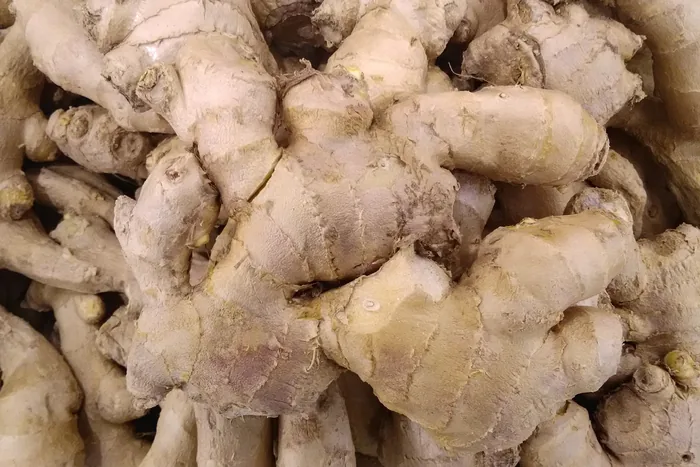
A spicy, warming tea that eases nausea and supports immune health with anti-inflammatory properties.
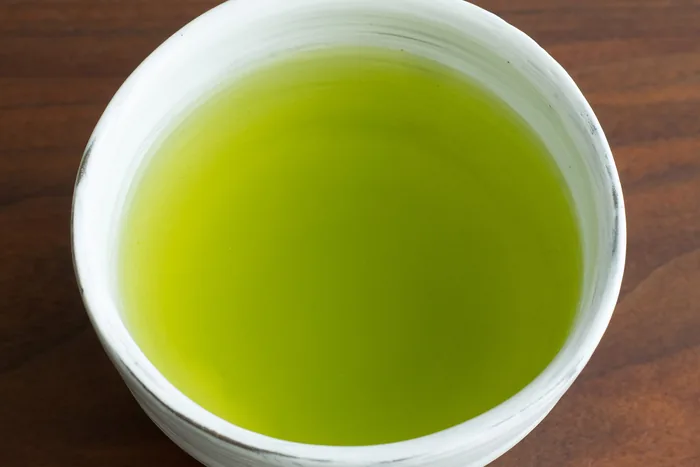
A Japanese green tea known for its vibrant color and high catechin content.
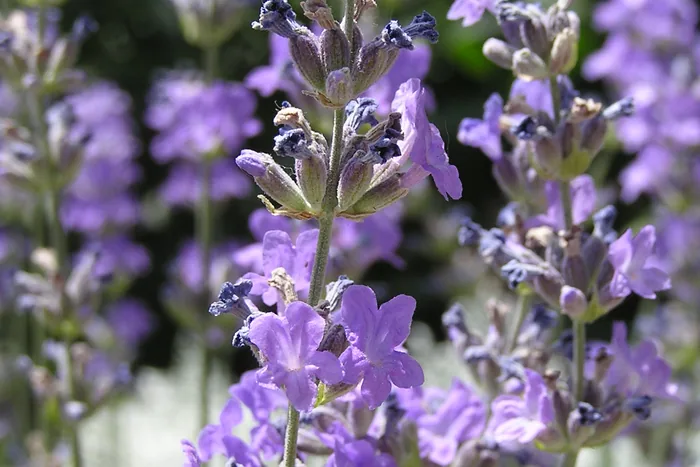
A fragrant floral tea that reduces anxiety, promotes relaxation, and may improve sleep quality.
Most tea-and-health writing online treats a petri-dish study and a large clinical trial as if they say the same thing. They don't. We read the research, label every claim strong, moderate, limited, or traditional use, and link the studies so you can check us.
Plenty of beloved herbal remedies land on “traditional use, little clinical evidence.” We say so anyway.
This site is written by one person and cites its sources so you can check the work. If a claim looks overstated, a citation does not support what it is attached to, or a safety warning is missing, please say so.