Oolong sits in the middle of the tea family. It comes from the same plant as green and black tea, Camellia sinensis, but the leaves are only partially oxidized: bruised, rolled, and dried in stages until they land between the two. Oolong is a process, not a place, which is why the category is so wide. A lightly oxidized Taiwanese high-mountain oolong tastes creamy and floral. A heavily roasted Wuyi rock oolong from Fujian tastes of toasted grain, stone fruit, and wood smoke. Both are correctly called oolong.
Most oolongs share a rounded, layered character, with fruity and woody notes and little of green tea's grassiness or black tea's briskness. Caffeine is moderate: MedlinePlus puts an eight-ounce cup of tea at 14 to 60 milligrams, against 95 to 200 for coffee. Oolong also rewards patience. The same leaves will give four or five infusions, and many drinkers think the second and third are the best ones.
Almost all the marketing around oolong is about weight loss, and this is where honesty matters. Two small, short human trials found that drinking oolong nudged up fat oxidation, meaning the share of calories your body burns as fat rather than carbohydrate. Each enrolled a dozen men, so treat the finding as suggestive rather than settled, and note that in both trials plain caffeine did much of the same work. Either way, shifting fat oxidation is not the same as losing weight, and no well-controlled trial has shown that drinking oolong makes people meaningfully lighter. In southern China and Taiwan, oolong is traditionally served after rich, oily meals to settle the stomach, a practice with centuries behind it and almost no clinical evidence. Enjoy it as a very good drink first. Treat the health claims as unfinished science.
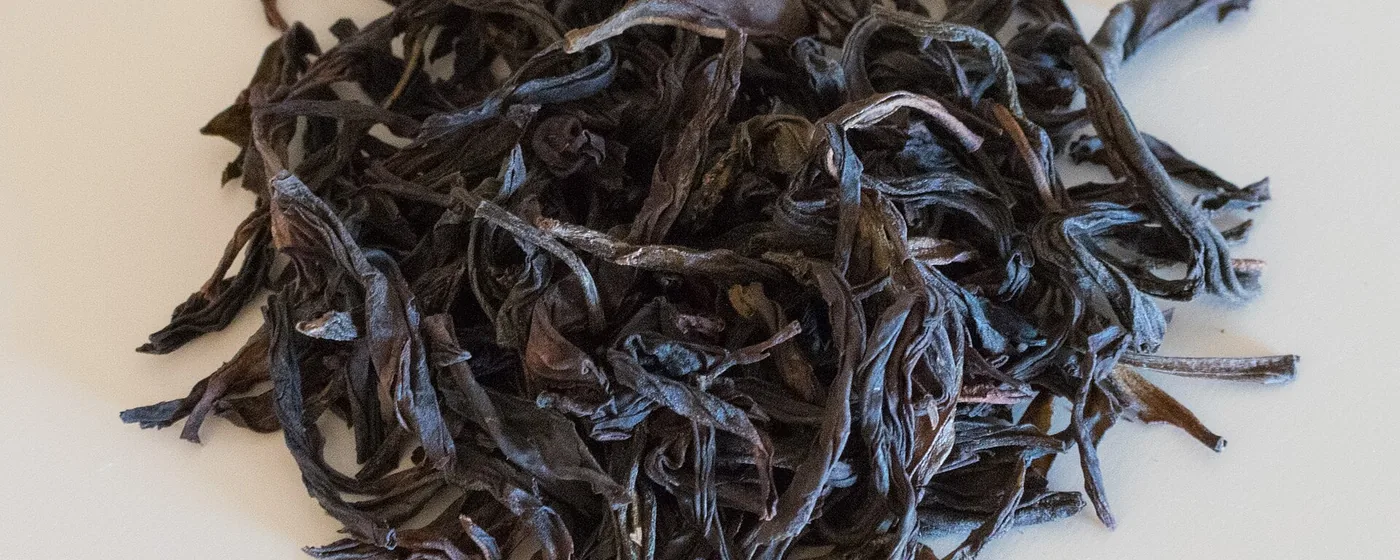
Photo: Mi Lan Xiang Oolong Tea cropped.jpg by Difference engine — CC BY-SA 4.0. Cropped and re-encoded.
What the evidence says
Drinking oolong may modestly increase fat oxidation, the share of calories burned as fat.
In a randomized crossover trial, 12 men drinking oolong brewed from 15 g of leaf daily burned about 12% more fat and 2.9% more energy over 24 hours than on water. In that same trial, plain caffeinated water raised energy expenditure slightly more than the tea did (3.4%), so the energy part looks like caffeine rather than anything specific to oolong. A double-blind crossover trial in another 12 men found two weeks of oolong raised fat oxidation roughly 20% with no change in total energy expenditure, but caffeine alone raised fat oxidation by about as much. Both trials had a dozen participants, both involved beverage-company researchers, and both measured metabolism, not body weight.
Whether oolong actually helps people lose weight is unproven.
The most-cited human study gave 8 g of oolong daily for six weeks to 102 overweight or obese adults and reported that most lost at least 1 kg. It had no control group, no blinding, and no randomization. A review of catechin- and caffeine-rich teas concluded the thermogenic effect is real but small, and heavily modified by habitual caffeine intake and genetics. No adequately controlled trial has shown oolong produces meaningful weight loss.
Evidence that oolong lowers blood sugar is conflicting, and the best-controlled trial found no effect.
A crossover study in 20 people with type 2 diabetes on oral medication reported a large fall in plasma glucose after 30 days of 1,500 mL/day of oolong, but it was small, unblinded, and free-living. A later double-blind crossover trial gave 19 healthy men 1.4 L/day on a controlled diet and found no change in fasting glucose or glucose tolerance. In a Japanese cohort of 17,413 adults, green tea and coffee were linked to lower diabetes risk; oolong was not. Tea is not a substitute for diabetes medication.
The caffeine in oolong can improve alertness and attention.
This is a caffeine effect, not something unique to oolong. Double-blind crossover trials show caffeine improves reaction time, sustained attention, and self-reported alertness. Adding L-theanine, an amino acid in Camellia sinensis, changed the picture in one trial, improving speed and accuracy on an attention-switching task and reducing distractibility. The evidence is not all one way: a review of 49 human intervention studies concluded the caffeine and L-theanine combination improved attention-switching and alertness to a lesser extent than caffeine alone. That review put caffeine's threshold near 40 mg and L-theanine's near 200 mg. An eight-ounce cup of tea supplies 14 to 60 mg of caffeine, so a single cup may or may not clear that threshold, and it supplies far less L-theanine than the 100 to 250 mg used in those trials.
Habitual tea drinking is associated with a lower risk of being diagnosed with hypertension, but the evidence is observational.
Among 1,507 Taiwanese adults without hypertension, habitually drinking green or oolong tea for at least a year was associated with a lower risk of newly diagnosed hypertension: 46% lower at 120 to 599 mL/day and 65% lower at 600 mL/day or more. This is a cohort study, not a trial. It did not test whether tea lowers anyone's blood pressure reading, and tea drinkers may differ from non-drinkers in ways no statistical adjustment captures. Separately, a crossover trial in 22 people with coronary artery disease found a month of 1,000 mL/day of oolong raised adiponectin and LDL particle size. That trial reported no blood pressure outcome at all, and adiponectin and particle size are surrogate markers, not heart attacks prevented.
Oolong's polyphenols differ chemically from green tea's, but nearly all of that work is in animals and cells.
Partial oxidation converts some of green tea's catechins into larger polymerized polyphenols. In mice on high-fat diets, decaffeinated oolong polyphenols reduced visceral fat and inflammatory gene expression, and aged-oolong extracts shifted the AMPK/ACC fat-metabolism pathway. A review proposes that oxidized teas act partly by inhibiting carbohydrate-digesting enzymes and feeding gut bacteria. None of this is confirmed in people, and the animal doses far exceed a few cups. "Rich in antioxidants" is chemistry, not a health outcome.
Traditionally drunk after rich or oily meals to settle the stomach and "cut the grease."
In Fujian, Guangdong, and Taiwan, oolong is customarily served after heavy food, and the gongfu brewing style grew up around it. Traditional Chinese medicine describes it as warming and clarifying. The use is old, widespread, and culturally central. It has not been tested in a controlled human trial, and there is no good clinical evidence that oolong speeds digestion, reduces bloating, or offsets a fatty meal.
No published human clinical trials found for this use.
How to brew Oolong Tea
Heat water to 185-205°F (85-96°C), the lower end for green, floral oolongs and the higher end for dark roasted ones. Pour over the leaves, steep 1 to 3 minutes for the first infusion, and taste as you go. Strain the leaves out rather than letting them sit, then re-steep, adding 30 to 60 seconds each round.
- Rolled oolongs need room to unfurl. Use a roomy pot or basket infuser, not a cramped tea ball.
- Bitterness usually means you steeped too long, not that you used too much leaf.
- Gongfu style (about 5 g per 100 mL, 20 to 45 second infusions) suits a good oolong especially well.
- Let the cup cool. Habitually drinking tea hotter than about 65°C (149°F) is linked to higher esophageal cancer risk.
- Skip milk and sugar; the appeal is in the aromatics, and dairy proteins bind the polyphenols.
Safety, side effects & who should avoid it
Brewed oolong is safe for most healthy adults in ordinary amounts. The real risks are caffeine, drinking it scalding hot, and concentrated tea-extract capsules, which are a different product from tea and have caused liver injury.
Who should avoid it
- Anyone told by a clinician to limit caffeine: poorly controlled high blood pressure, some heart rhythm disorders, panic or generalized anxiety disorder, chronic insomnia.
- Children and adolescents, for whom no safe caffeine level has been established.
- People with iron-deficiency anemia, at least around meals. Tea polyphenols bind non-heme (plant) iron; drink tea between meals instead.
- Anyone taking the beta-blocker nadolol. Ask a pharmacist first if you take atorvastatin or raloxifene, both of which NCCIH lists as interacting with tea from this plant.
- Anyone taking warfarin should keep tea intake steady rather than avoiding it outright, and should tell whoever monitors their INR. Tea from this plant contains vitamin K.
- Anyone with liver disease or a past drug-induced liver injury should avoid concentrated green tea or oolong extract capsules. NIH LiverTox rates Camellia sinensis extract a well-established cause of clinically apparent liver injury, with cases clustering above roughly 800 mg EGCG per day and susceptibility linked to the HLA-B*35:01 gene variant. Brewed tea is far lower risk, though a few cases have followed infusions.
- Anyone who drinks tea near-boiling. In a case-control study of 646 esophageal squamous cell carcinoma patients and 646 matched controls, drinking oolong at all was not associated with that cancer (OR 1.39, 95% CI 0.94-2.05), but drinking it hot was (OR 1.60, 95% CI 1.06-2.41). Drinking it warm was not. The association was much stronger in people already at high risk from smoking, drinking, and similar factors (OR 3.14, 95% CI 1.93-5.11) and absent in the low-risk group. Temperature, not oolong, appears to be the problem.
Possible side effects
- Caffeine effects: restlessness, shakiness, headache, dizziness, fast heartbeat, trouble sleeping (MedlinePlus).
- Nausea or heartburn from strong tea on an empty stomach. Tannins are astringent.
- Withdrawal headaches if you drink it daily and then stop abruptly.
- Less iron absorbed from plant foods when tea is drunk with a meal.
- Gradual tooth staining with heavy long-term use.
- Very rarely, liver injury, reported overwhelmingly with extract capsules rather than brewed tea.
Medication interactions
- Nadolol: in a randomized trial in 10 healthy adults, green tea from the same plant cut nadolol's blood levels by about 85% and blunted its blood-pressure effect, apparently by blocking the gut OATP1A2 transporter. Oolong carries the same catechins in smaller amounts. Ask your pharmacist.
- Atorvastatin and raloxifene: NCCIH reports that green tea extract reduces atorvastatin blood levels, and that green tea interacts with raloxifene. The caution reasonably extends to oolong.
- Warfarin: tea from this plant is a source of vitamin K, which opposes warfarin. In a published case report, a man on warfarin who started drinking half a gallon to a gallon of green tea daily saw his INR drop from 3.79 to 1.14; it recovered after he stopped. That is an extreme intake and one case, not a reason to quit tea. It is a reason to keep your intake consistent and tell your anticoagulation clinic what you drink.
- Iron supplements: take them an hour or two apart from tea. Vitamin C offsets part of the effect.
- Other stimulants (energy drinks, pre-workout powders, pseudoephedrine, ADHD medication): the effects add up.
- Drugs that slow caffeine clearance through CYP1A2, such as fluvoxamine, ciprofloxacin, and estrogen-containing oral contraceptives, can make a normal cup feel much stronger and last longer.
- Lithium: caffeine increases lithium excretion, so quitting tea abruptly can raise lithium levels. Keep intake steady and tell your prescriber.
Pregnancy & breastfeeding
Oolong is not off-limits, but the caffeine matters. Common obstetric advice is to stay under about 200 mg of caffeine a day, and MedlinePlus notes that caffeine crosses the placenta and passes into breast milk, where too much can make a baby fussy and wakeful. In a Japanese cohort of 85,533 pregnancies, higher total caffeine intake was weakly associated with hypertensive disorders of pregnancy, though tea specifically was not. Avoid tea-extract supplements, which have not been studied in pregnancy. Talk to your doctor or midwife about the right ceiling for you.
How much is too much
No established limit for the tea itself. Human trials have used 1,000 to 1,500 mL a day, roughly 4 to 6 cups, for two to six weeks without reported harm. The practical ceiling is caffeine: the FDA considers up to 400 mg a day generally safe for healthy adults, which at 30 to 60 mg per cup lands somewhere around 7 to 13 cups. Pregnancy, medications, and personal sensitivity lower that a lot. One further note for very heavy drinkers: the tea plant concentrates fluoride from soil, and an analysis of black, green, oolong, pu-erh, and white tea infusions found fluoride varied widely with tea type and brewing time, with black tea infusions ranging from roughly 0.3 to 4.5 mg/L. Ordinary tea drinking is not a concern. Sustained intake of several liters a day for years, especially where drinking water is also fluoridated, is a recognized route to excess fluoride and, at the extreme, skeletal fluorosis.
Taste & pairing
Tasting notes: Complex, Floral, Fruity, Woody.
Pairs well with: Asian cuisine, Fruit, Light desserts.
Best time to drink: Morning or early afternoon.
Frequently asked questions
How long should I steep oolong tea?
Western style, start at 1 to 3 minutes for the first infusion and add 30 to 60 seconds each round after. Tightly rolled oolongs open slowly and take the longer end; strip-style and roasted oolongs turn bitter if you push them. Gongfu style flips the ratio: much more leaf, 20 to 45 seconds per steep, ten or more infusions. Taste as you go rather than trusting a timer.
How much caffeine is in oolong compared with green tea and coffee?
MedlinePlus puts an eight-ounce cup of tea at 14 to 60 mg, versus 95 to 200 mg for coffee. Oolong is not reliably higher or lower than green tea. Oxidation level has little to do with caffeine, which depends far more on cultivar, leaf quantity, water temperature, and steep time.
Does oolong tea actually burn fat?
Slightly, and less than the marketing suggests. Two small randomized crossover trials, each in 12 men, found oolong raised fat oxidation by about 12 to 20 percent, and one found a 2.9 percent bump in 24-hour energy expenditure. In both trials, though, plain caffeine did roughly as much as the tea, so this may be a caffeine effect rather than an oolong one. And these are calorimeter measurements, not weight on a scale. The one large human study reporting weight loss had no control group at all.
Can I drink oolong tea at night?
It depends on your caffeine sensitivity. Caffeine has a half-life of roughly five hours in most adults, so an evening cup can still be circulating at bedtime. In one 14-day randomized trial, oolong providing about 100 mg of caffeine at breakfast and lunch did not disturb sleep on polysomnography, but that was morning dosing. If tea keeps you up, treat it like coffee and stop by mid-afternoon.
Is oolong or green tea healthier?
Nobody knows. There are no good head-to-head human trials. Green tea has more research behind it, and in one large Japanese cohort green tea was linked to lower type 2 diabetes risk while oolong was not, which is weak and easily confounded evidence. Both are pleasant, low-calorie, caffeinated drinks. The one you will actually drink is the one that helps you most.
How many cups of oolong a day is too many?
There is no established limit for the tea itself. Caffeine is the constraint: the FDA considers up to 400 mg a day generally safe for healthy adults, landing around 7 to 13 cups depending on brew strength. That ceiling drops sharply in pregnancy, with interacting medications, and for anyone who feels jittery on a single cup.
References
- Oolong tea increases metabolic rate and fat oxidation in men.. The Journal of nutrition, 2001. PubMed 11694607 · doi:10.1093/jn/131.11.2848
- Subacute Ingestion of Caffeine and Oolong Tea Increases Fat Oxidation without Affecting Energy Expenditure and Sleep Architecture: A Randomized, Placebo-Controlled, Double-Blinded Cross-Over Trial.. Nutrients, 2020. PubMed 33260552 · doi:10.3390/nu12123671
- Beneficial effects of oolong tea consumption on diet-induced overweight and obese subjects.. Chinese journal of integrative medicine, 2009. PubMed 19271168 · doi:10.1007/s11655-009-0034-8
- Catechin- and caffeine-rich teas for control of body weight in humans.. The American journal of clinical nutrition, 2013. PubMed 24172301 · doi:10.3945/ajcn.113.058396
- Antihyperglycemic effect of oolong tea in type 2 diabetes.. Diabetes care, 2003. PubMed 12766099 · doi:10.2337/diacare.26.6.1714
- Oolong tea does not improve glucose metabolism in non-diabetic adults.. European journal of clinical nutrition, 2010. PubMed 20959857 · doi:10.1038/ejcn.2010.192
- The relationship between green tea and total caffeine intake and risk for self-reported type 2 diabetes among Japanese adults.. Annals of internal medicine, 2006. PubMed 16618952 · doi:10.7326/0003-4819-144-8-200604180-00005
- The effects of L-theanine, caffeine and their combination on cognition and mood.. Biological psychology, 2007. PubMed 18006208 · doi:10.1016/j.biopsycho.2007.09.008
- The combined effects of L-theanine and caffeine on cognitive performance and mood.. Nutritional neuroscience, 2008. PubMed 18681988 · doi:10.1179/147683008X301513
- Effect of Green Tea Phytochemicals on Mood and Cognition.. Current pharmaceutical design, 2017. PubMed 28056735 · doi:10.2174/1381612823666170105151800
- The protective effect of habitual tea consumption on hypertension.. Archives of internal medicine, 2004. PubMed 15277285 · doi:10.1001/archinte.164.14.1534
- Oolong tea increases plasma adiponectin levels and low-density lipoprotein particle size in patients with coronary artery disease.. Diabetes research and clinical practice, 2004. PubMed 15331202 · doi:10.1016/j.diabres.2004.01.003
- Green tea, black tea, and oolong tea polyphenols reduce visceral fat and inflammation in mice fed high-fat, high-sucrose obesogenic diets.. The Journal of nutrition, 2014. PubMed 25031332 · doi:10.3945/jn.114.191007
- Aged Oolong Tea Reduces High-Fat Diet-Induced Fat Accumulation and Dyslipidemia by Regulating the AMPK/ACC Signaling Pathway.. Nutrients, 2018. PubMed 29419789 · doi:10.3390/nu10020187
- A Review on the Weight-Loss Effects of Oxidized Tea Polyphenols.. Molecules (Basel, Switzerland), 2018. PubMed 29758009 · doi:10.3390/molecules23051176
- Green tea ingestion greatly reduces plasma concentrations of nadolol in healthy subjects.. Clinical pharmacology and therapeutics, 2014. PubMed 24419562 · doi:10.1038/clpt.2013.241
- Oolong tea consumption and its interactions with a novel composite index on esophageal squamous cell carcinoma.. BMC complementary and alternative medicine, 2019. PubMed 31822288 · doi:10.1186/s12906-019-2770-7
- Hypertensive Disorders of Pregnancy in Relation to Coffee and Tea Consumption: The Japan Environment and Children's Study.. Nutrients, 2021. PubMed 33498916 · doi:10.3390/nu13020343
- Probable antagonism of warfarin by green tea.. The Annals of pharmacotherapy, 1999. PubMed 10332534 · doi:10.1345/aph.18238
- Assessment of fluoride concentration and daily intake by human from tea and herbal infusions.. Food and chemical toxicology : an international journal published for the British Industrial Biological Research Association, 2007. PubMed 18078704 · doi:10.1016/j.fct.2007.10.039
Last reviewed and updated . HelperTea is written by an enthusiast, not a clinician, and is not medically reviewed. How we research and rate evidence. Found an error? Tell us — safety corrections get priority.