Licorice root tea is an infusion made from the dried root of Glycyrrhiza glabra, a legume-family shrub that grows across the Mediterranean, the Middle East, and western Asia. Its remarkable sweetness comes from glycyrrhizin, a compound far sweeter than table sugar, which is why the root has been chewed, brewed, and used as a flavoring for thousands of years. The tea is naturally caffeine-free. Worth knowing: some candy labeled licorice is flavored with anise oil and contains no licorice root at all, but plenty of black licorice does contain real glycyrrhizin. The FDA warns that adults over 40 who eat about two ounces of black licorice a day for two weeks can end up in the hospital with an irregular heartbeat, so read the ingredient list rather than assuming.
In the cup, licorice is unmistakable. The sweetness arrives first and lingers, backed by a woody, earthy body and a faintly medicinal finish that some people love and others find cloying. It coats the mouth and throat in a way few herbal teas do. Because it is already sweet, it needs no honey, though a little lemon cuts the heaviness. It blends well with ginger or peppermint.
Traditionally, licorice root tea has been used to soothe a scratchy throat, quiet a cough, and settle an upset stomach. Those uses are old and widespread, but they have barely been tested in people who simply drink the tea. What is well established about licorice is less comfortable: glycyrrhizin blocks an enzyme in the kidney that normally protects the mineralocorticoid receptor from cortisol. The result is sodium and water retention, potassium loss, and rising blood pressure — an effect strong enough that people have been hospitalized after a few months of daily licorice tea. When potassium falls far enough it can destabilize heart rhythm, and NIH's LiverTox notes that deaths have been documented from these effects at high intakes. This is a tea to enjoy occasionally and with clear eyes, not one to sip all day.
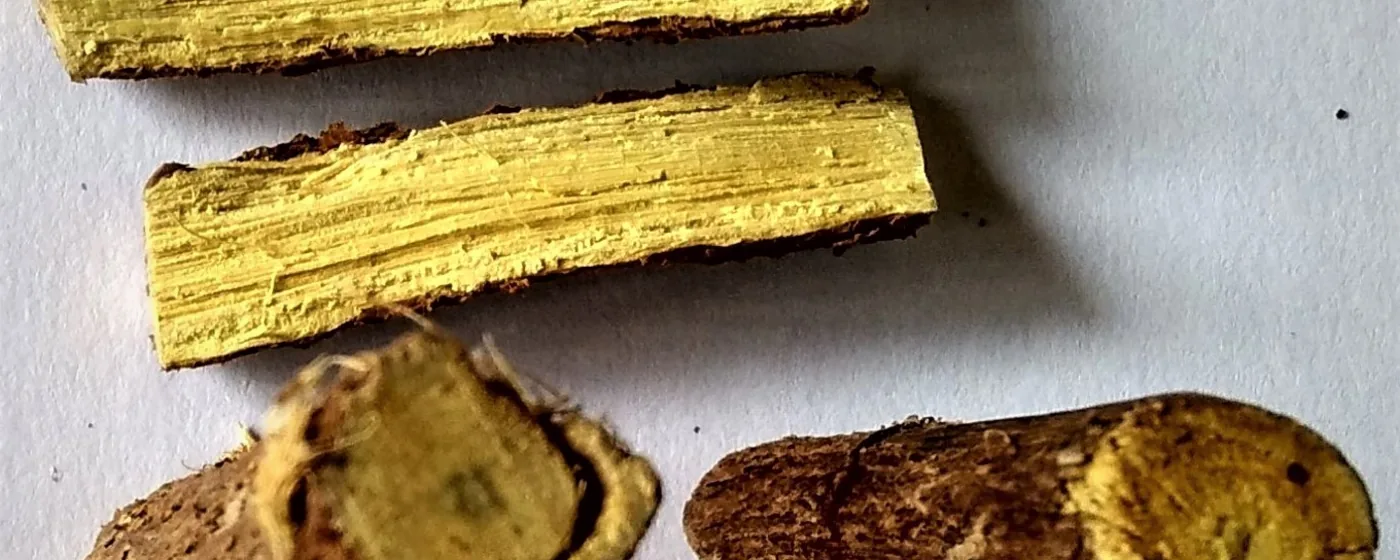
Photo: Sections of liquorice root.jpg by Salil Kumar Mukherjee — CC BY-SA 4.0. Cropped and re-encoded.
What the evidence says
Regular licorice intake raises blood pressure and lowers blood potassium
The most robust finding about licorice concerns harm, not benefit. A meta-analysis of 18 human studies (337 participants) taking at least 100 mg of glycyrrhizic acid daily found a mean rise of 5.4 mmHg systolic and 3.2 mmHg diastolic blood pressure, with falls in plasma potassium, renin, and aldosterone. A 2024 meta-analysis of eight randomized trials (541 participants) found the same direction of effect, and usefully separated the culprit: interventions dominated by glycyrrhizic acid raised blood pressure, while those dominated by licorice flavonoids did not. Case reports describe this in tea drinkers specifically: a man hospitalized with severe hypertension and low potassium after three to four cups of licorice root tea daily for three months, and a woman with severe hypokalemia, muscle breakdown, and focal weakness after drinking two to two and a half liters of licorice tea daily for about eight weeks. Some people appear unusually sensitive and react to modest amounts. When potassium falls far enough, heart rhythm can become unstable: one case report describes torsades de pointes, a life-threatening ventricular arrhythmia, in a woman who drank five to six glasses of licorice root tea a day for only two days, and another describes the same rhythm in a 95-year-old man with advanced kidney disease who regularly ate licorice candy and drank licorice tea. These are individual cases, not a rate — but they are the reason this tea deserves respect.
Gargling a licorice solution before surgery may reduce sore throat from a breathing tube
This is the use with the most human trial evidence behind it, and it involves gargling rather than drinking. In a randomized double-blind trial of 236 thoracic surgery patients, gargling licorice extract before anesthesia roughly halved postoperative sore throat compared with sugar water. A smaller single-blind trial (40 patients) found less sore throat and coughing. A network meta-analysis pooling 70 trials and 7,141 patients ranked licorice among the more effective topical agents at 24 hours. Whether drinking the tea helps an ordinary sore throat has never been tested this way.
Licorice root tea is traditionally used to soothe sore throat and calm a cough
Licorice appears as a demulcent and expectorant in traditional Greek, Ayurvedic, and Chinese medicine, and still shows up in commercial throat blends. The plausible explanation is simple: a warm, sweet, viscous liquid coats an irritated throat, much as honey does. We found no controlled trials of brewed licorice root tea against placebo for everyday sore throat or cough.
No published human clinical trials found for this use.
A standardized licorice extract may ease symptoms of functional dyspepsia (recurring indigestion)
One randomized, double-blind, placebo-controlled trial gave 50 people 75 mg of a standardized Glycyrrhiza glabra extract twice daily for 30 days and reported lower symptom scores at days 15 and 30. A 2023 Cochrane review included that single trial, graded its certainty as moderate, and noted it stands alone. This was a concentrated capsule of a proprietary branded extract, not a mug of tea, and one small trial is a thin foundation.
Licorice applied topically in the mouth may reduce canker sore pain
A randomized, double-blind, placebo-controlled trial in 54 patients with aphthous ulcers found that gargling a licorice preparation lowered pain scores at day one and day two versus placebo. The trial was small, short, and used a rinse held in the mouth rather than a beverage. NCCIH describes this evidence as preliminary, which is a fair summary.
Sources: [13]
Heavy licorice consumption during pregnancy has been linked to poorer outcomes in children
In a Finnish cohort of 378 children examined around age 12, girls whose mothers consumed 500 mg or more of glycyrrhizin per week during pregnancy were taller, heavier, and further along in puberty. Children of both sexes in the high-exposure group scored about seven points lower on IQ testing and had higher odds of ADHD-type problems. This is observational data from one cohort and cannot prove causation, but the mechanism — glycyrrhizin disabling the placental enzyme that shields a fetus from maternal cortisol — is coherent.
Sources: [14]
Licorice is traditionally used for heartburn, and is sometimes marketed for 'adrenal support'
Deglycyrrhizinated licorice (DGL) tablets are widely sold for heartburn, but DGL is a different product from this tea: the glycyrrhizin has been removed. Claims that licorice supports the adrenal glands rest on the fact that glycyrrhizin prolongs cortisol activity — that is a described side effect, not a demonstrated therapy, and 'adrenal fatigue' is not a recognized diagnosis.
No published human clinical trials found for this use.
How to brew Licorice Root Tea
Bring water to a full boil and pour it over the chopped root. Cover, steep 5 to 10 minutes, then strain well. Licorice is a hard, woody root, so it needs boiling water and a longer steep than leaf or flower teas.
- How much root you use and how long you steep both determine how much glycyrrhizin ends up in the cup. For a lighter cup, use less root and stay near 5 minutes.
- Simmering the root for 10 to 15 minutes (a decoction) is the traditional method and extracts more of everything, glycyrrhizin included.
- Taste before you sweeten. Licorice is intensely sweet on its own, and honey usually pushes it over the edge.
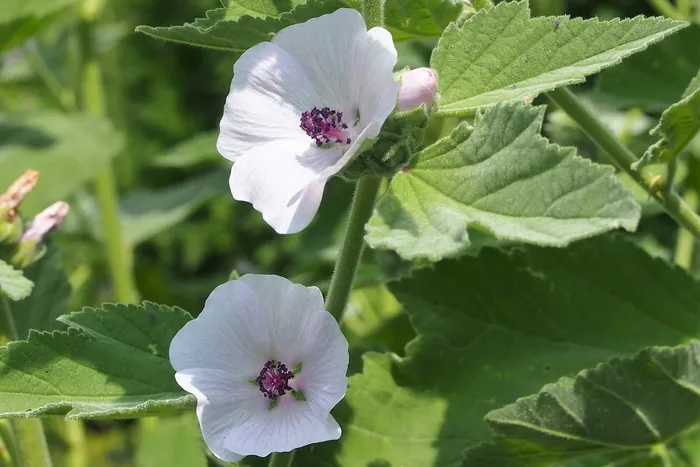
- Blending a pinch of licorice with ginger, peppermint, or marshmallow root gives you the sweetness with far less glycyrrhizin.
- Don't leave root sitting in a pot and keep topping it up through the day.
- Check the ingredient lists of your other teas. Licorice root is a common background sweetener in throat, 'detox', and herbal blends, and it all adds to the same glycyrrhizin total.
Safety, side effects & who should avoid it
Licorice root is not a gentle herb: glycyrrhizin reliably raises blood pressure and lowers potassium, and people have been hospitalized after drinking this tea daily for weeks or months. When potassium drops far enough it can trigger dangerous heart rhythms. NCCIH lists irregular heartbeat and cardiac arrest among the possible harms, and NIH's LiverTox states that deaths have been documented from licorice's mineralocorticoid effects at high doses. Treat it as an occasional cup, and avoid it entirely if you have high blood pressure, heart disease, or kidney problems. If you have been drinking it regularly and notice an irregular or racing heartbeat, unusual muscle weakness, or new swelling, stop drinking it and contact a doctor.
Who should avoid it
- Anyone with high blood pressure, heart disease, heart failure, or a history of irregular heartbeat
- Anyone with kidney disease or reduced kidney function
- Anyone with low blood potassium (hypokalemia), or told to watch their potassium
- Anyone with liver disease or cirrhosis, where fluid retention is already a concern
- People who are pregnant or trying to conceive
- People who are breastfeeding, since safety has not been established
- Anyone taking diuretics, digoxin, corticosteroids, or blood pressure medication
- Anyone taking a medication that can prolong the QT interval, since low potassium compounds that risk
- Adults over 40, whom the FDA singles out as more vulnerable to licorice-induced arrhythmia
- Anyone eating a lot of salt, which NCCIH notes raises the risk of serious effects
- Children, who have less margin for a potassium shift and no clear reason to drink it
Possible side effects
- Rising blood pressure, often with no symptoms you would notice
- Low potassium, causing muscle weakness, cramps, constipation, or fatigue
- Fluid retention: puffy ankles, hands, or face
- Headache
- In severe cases: irregular heartbeat, metabolic alkalosis, muscle breakdown (rhabdomyolysis), and temporary paralysis — all reported in regular licorice users
- Rarely, life-threatening ventricular arrhythmias including torsades de pointes, reported in licorice tea drinkers; NCCIH also lists cardiac arrest, and NIH's LiverTox notes documented deaths at high intakes
- Licorice is not known to injure the liver — NIH's LiverTox rates it 'unlikely' to cause liver injury — so the caution for people with cirrhosis is about fluid and sodium retention, not hepatotoxicity
- Effects build slowly over weeks and can take weeks to resolve after you stop
Medication interactions
- Diuretics (hydrochlorothiazide, furosemide): both lower potassium, and the combination compounds the risk
- Digoxin: licorice-induced low potassium raises the risk of digoxin toxicity and dangerous heart rhythms
- Blood pressure medications (ACE inhibitors, ARBs, calcium channel blockers, beta blockers): licorice raises blood pressure and works against them
- Spironolactone and eplerenone: licorice directly opposes their mechanism at the mineralocorticoid receptor
- Corticosteroids (prednisone, hydrocortisone): licorice slows cortisol breakdown and may amplify their effects; NCCIH specifically flags this combination
- Stimulant laxatives: additional potassium loss on top of licorice's own
- QT-prolonging drugs (some antiarrhythmics, antipsychotics, antidepressants, and antibiotics): licorice-induced low potassium adds to the risk of torsades de pointes, a life-threatening heart rhythm
- Any drug with a narrow safety margin: ask a pharmacist first, since glycyrrhizin's effects on fluid, potassium, and steroid metabolism are broad. The FDA notes that black licorice can interact with some medications, herbs, and dietary supplements
Pregnancy & breastfeeding
Avoid licorice root tea during pregnancy. Glycyrrhizin inhibits the placental enzyme that shields a fetus from maternal cortisol, heavy consumption has been associated with earlier delivery, and one Finnish cohort linked high maternal intake to poorer cognitive and behavioral outcomes in children at age 12. Safety while breastfeeding has not been studied at all — talk to your doctor or midwife before drinking it.
How much is too much
There is no established safe limit for licorice root tea, partly because glycyrrhizin content varies widely and is almost never listed on the package. For context, the meta-analysis showing blood pressure increases pooled studies using 100 mg or more of glycyrrhizic acid daily, and a published case describes serious pseudohyperaldosteronism in someone drinking three to four cups a day for three months. The FDA's benchmark for the candy is that adults over 40 eating about two ounces of black licorice daily for two weeks may develop an arrhythmia. Remember that glycyrrhizin adds up across sources: black licorice candy, blended herbal teas (throat, 'detox', and Chinese herbal formulas often contain licorice root without featuring it on the front of the box), and supplements all contribute. Keep it to an occasional cup rather than a daily drink. If you have any heart, blood pressure, or kidney condition, the safe amount is none without medical advice. Following FDA guidance, if you have been drinking licorice tea regularly and develop an irregular heart rhythm or muscle weakness, stop immediately and contact your healthcare provider.
Taste & pairing
Tasting notes: Sweet, Woody, Distinctive.
Pairs well with: Honey, Lemon.
Best time to drink: When experiencing throat discomfort.
Frequently asked questions
How long should I steep licorice root tea?
Five to ten minutes in fully boiling water — it is a hard, woody root that gives up flavor slowly. Steeping longer, or simmering it, pulls out more of everything, including more glycyrrhizin. If you are being cautious, stay near five minutes.
How many cups of licorice root tea a day is safe?
Nobody can give you a reliable number, because glycyrrhizin content varies enormously between products. What we do know: a published case report describes a man who developed severe hypertension and dangerously low potassium after three to four cups a day for three months. Occasional single cups are a sensible ceiling for a healthy adult; daily drinking is not a good idea.
Does licorice root tea raise blood pressure?
Yes, if you drink enough of it. This is one of the better-established facts about the herb. Pooled human trial data on licorice products show a mean systolic rise of about 5 mmHg at daily glycyrrhizic acid doses of 100 mg or more, and case reports of severe hypertension in people drinking several cups of the tea daily match that picture. The effect is dose-related, builds over weeks, and often causes no symptoms. If you have hypertension, skip this tea.
Is black licorice candy safer than the tea?
Not necessarily. Some candy sold as licorice is flavored with anise oil and contains no licorice root, but real black licorice contains glycyrrhizin and carries the same risks. The FDA warns that adults over 40 who eat about two ounces of black licorice a day for two weeks could end up hospitalized with an irregular heart rhythm. One case report describes a life-threatening arrhythmia in an elderly man who both ate licorice candy and drank licorice tea. Candy, tea, and supplements all draw on the same glycyrrhizin budget.
When should I stop drinking it and see a doctor?
Stop and contact your healthcare provider if you develop an irregular or racing heartbeat, unusual muscle weakness or cramping, swelling in your ankles, hands, or face, or a persistent headache. This is the FDA's advice for heavy licorice consumers, and it applies to tea. Rising blood pressure and falling potassium often cause no symptoms at all, which is precisely why regular daily drinking is a bad idea. Effects can take weeks to resolve after you stop.
Is licorice root tea the same as DGL?
No. DGL means deglycyrrhizinated licorice — the glycyrrhizin has been stripped out, removing the compound behind licorice's blood pressure and potassium effects, and much of its sweetness. DGL tablets are sold for heartburn. Licorice root tea still contains glycyrrhizin, so the two are not interchangeable.
Do fennel, anise, or licorice-flavored teas carry the same risks?
Generally no. Fennel and anise taste like licorice because they contain anethole, a different compound that is not known to inhibit the kidney enzyme glycyrrhizin acts on. Check the ingredient list rather than relying on flavor: the glycyrrhizin risk comes from actual licorice root — Glycyrrhiza glabra, Glycyrrhiza uralensis, or another Glycyrrhiza species — which is usually listed simply as 'licorice root.' Be aware that licorice root is often blended into teas that taste mainly of something else.
When is the best time to drink licorice root tea?
It is caffeine-free, so timing is flexible, and most people reach for it when their throat feels raw. No evidence favors any time of day. The more useful question is how often — keep it occasional, and watch for swelling, headaches, or unusual muscle weakness.
References
- The association between consistent licorice ingestion, hypertension and hypokalaemia: a systematic review and meta-analysis.. Journal of human hypertension, 2017. PubMed 28660884 · doi:10.1038/jhh.2017.45
- Effects of Licorice Functional Components Intakes on Blood Pressure: A Systematic Review with Meta-Analysis and NETWORK Toxicology.. Nutrients, 2024. PubMed 39519602 · doi:10.3390/nu16213768
- Liquorice-induced pseudohyperaldosteronism: a rare cause for severe hypertension.. BMJ case reports, 2025. PubMed 39753286 · doi:10.1136/bcr-2024-263140
- [Pseudohyperaldosteronism with severe hypokalaemia and focal paresis triggered by licorice tea].. Ugeskrift for laeger, 2021. PubMed 33570024
- Low doses of liquorice can induce hypertension encephalopathy.. American journal of nephrology, 2000. PubMed 10773616 · doi:10.1159/000013572
- Polymorphic ventricular tachycardia (Torsades de pointes) due to licorice root tea.. Turk Kardiyoloji Dernegi arsivi : Turk Kardiyoloji Derneginin yayin organidir, 2013. PubMed 23703562 · doi:10.5543/tkda.2013.72547
- Close Call From a Sweet Twist: A Case of Licorice-Induced Torsades De Pointes.. Cureus, 2023. PubMed 36843745 · doi:10.7759/cureus.34126
- A randomized, double-blind comparison of licorice versus sugar-water gargle for prevention of postoperative sore throat and postextubation coughing.. Anesthesia and analgesia, 2013. PubMed 23921656 · doi:10.1213/ANE.0b013e318299a650
- An evaluation of the efficacy of licorice gargle for attenuating postoperative sore throat: a prospective, randomized, single-blind study.. Anesthesia and analgesia, 2009. PubMed 19535697 · doi:10.1213/ane.0b013e3181a6ad47
- Efficacy of topical agents for prevention of postoperative sore throat after single lumen tracheal intubation: a Bayesian network meta-analysis.. Canadian journal of anaesthesia = Journal canadien d'anesthesie, 2020. PubMed 32820466 · doi:10.1007/s12630-020-01792-4
- An Extract of Glycyrrhiza glabra (GutGard) Alleviates Symptoms of Functional Dyspepsia: A Randomized, Double-Blind, Placebo-Controlled Study.. Evidence-based complementary and alternative medicine : eCAM, 2011. PubMed 21747893 · doi:10.1155/2012/216970
- Non-Chinese herbal medicines for functional dyspepsia.. The Cochrane database of systematic reviews, 2023. PubMed 37323050 · doi:10.1002/14651858.CD013323.pub2
- Effective licorice gargle juice for aphthous ulcer pain relief: A randomized double-blind placebo-controlled trial.. Pakistan journal of pharmaceutical sciences, 2022. PubMed 36451559
- Maternal Licorice Consumption During Pregnancy and Pubertal, Cognitive, and Psychiatric Outcomes in Children.. American journal of epidemiology, 2017. PubMed 28158597 · doi:10.1093/aje/kww172
Last reviewed and updated . HelperTea is written by an enthusiast, not a clinician, and is not medically reviewed. How we research and rate evidence. Found an error? Tell us — safety corrections get priority.